What Is BESS?
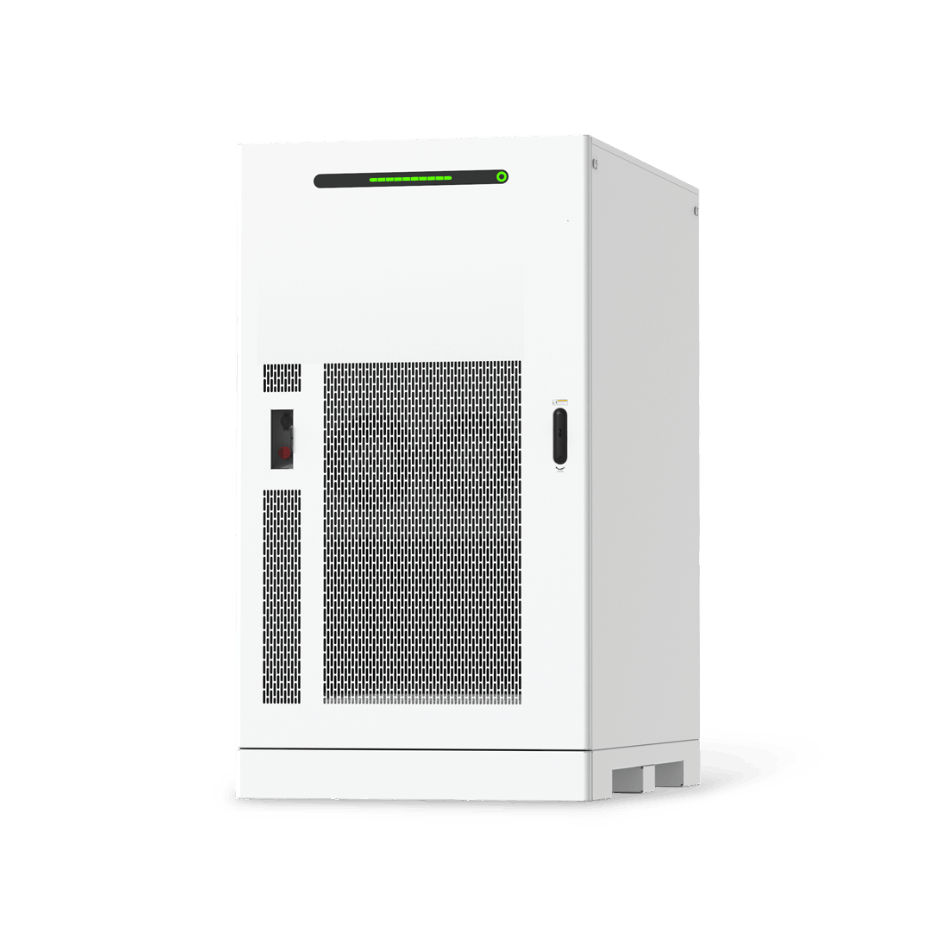
BESS, or Battery Energy Storage System, is an advanced technology designed to store electrical energy often generated from renewable sources like solar or wind for use whenever needed. In today’s world, where energy availability can fluctuate due to weather changes or unexpected outages, BESS plays a critical role in maintaining reliable power for homes, businesses, and utilities. It is no longer just an optional add-on BESS has become a key component of modern energy plans. By integrating smoothly with renewable systems, it increases their stability and performance. BESS helps manage energy supply fluctuations, ensures a constant power flow, and safeguards against grid disruptions that could affect energy reliability.
How Does BESS Work?
A BESS stores electricity commonly generated from renewable sources or purchased during off-peak hours when power is cheaper and releases it when demand is high or renewable output is low, such as at night for solar systems. Systems like those offered by FusionSolar include key components: a rechargeable battery, an inverter, and intelligent control software. The inverter converts electricity between direct current (DC) and alternating current (AC), enabling both storage and usage of energy. Meanwhile, the control software optimizes when and how the system charges, discharges, and manages power flow. By utilizing BESS technology, reliance on expensive and polluting peak-power plants can be reduced, greenhouse gas emissions lowered, and overall grid stability improved.
Benefits of BESS
Benefits
Integration with Renewable Energy
BESS stores excess energy generated from renewable sources like solar and wind, releasing it when demand exceeds production. This capability is essential for effectively integrating intermittent renewable energy into the grid and balancing supply and demand.
Grid Stabilization
By absorbing surplus energy when production is high and supplying it during peak demand, BESS helps stabilize the electricity grid. This reduces the risk of power outages and ensures a more reliable energy supply, even during extreme weather conditions.
Reduced Emissions and Peak Shaving
BESS reduces reliance on high-emission peaker plants, which typically operate during peak demand periods and are less efficient. Through “peak shaving,” BESS stores energy during low-demand periods and discharges it during high-demand times, cutting greenhouse gas emissions significantly.
Support for Electrification and Backup Power
As more sectors transition from fossil fuels to electricity, BESS accommodates the increased energy demand. It also provides reliable backup power during unexpected outages, enhancing overall energy resilience.
Enhanced Energy Independence
For homes and businesses with solar systems, BESS enables the storage of surplus energy, reducing reliance on the grid and increasing local energy self-sufficiency.
Financial Aspects of BESS
The cost of a BESS depends on factors such as its capacity, the type of battery technology used (lithium-ion, lead-acid, or flow batteries), expected lifespan, the scale of deployment (residential, commercial, or utility), and the inclusion of advanced features like sophisticated battery management systems and inverters. As of 2024, residential BESS typically range from R9,500 to R19,000 per kilowatt-hour (kWh). Larger installations often benefit from lower costs per kWh due to economies of scale. Continued technological advancements and increased production are expected to further reduce costs in the coming years.